
Supply Chain Management in Clinical Trials

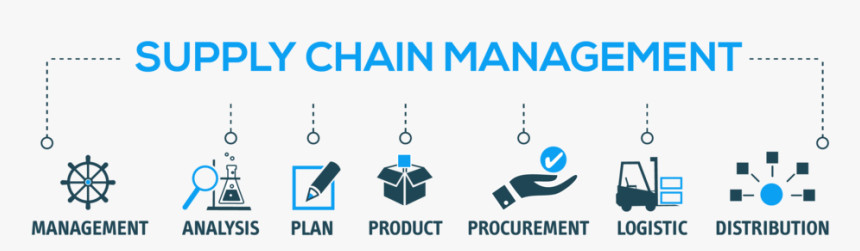
Supply Chain Management (SCM) in clinical trials is a critical component that involves the planning, coordination, and control of the flow of investigational products, ancillary supplies, and materials from manufacturing through distribution to clinical trial sites. Here are key considerations and practices related to supply chain management in clinical trials:

Innovate. Integrate. Investigate: Supply Chain Dynamics in Clinical Research

suppychain_02

On Time, Every Time: Strategic Logistics for Trial Success

Effective supply chain management in clinical trials contributes to the successful execution of the trial by ensuring the timely availability of high-quality investigational products while maintaining regulatory compliance and minimizing operational risks.

Develop a comprehensive supply chain strategy aligned with the specific requirements of the clinical trial protocol. Consider factors such as trial timelines, patient enrollment projections, and geographic distribution of trial sites.

Choose reliable suppliers, manufacturers, and logistics partners with a proven track record in the pharmaceutical or clinical research industry. Establish clear communication channels and expectations with vendors.

Ensure compliance with local and international regulations governing the import, export, and distribution of investigational products. Obtain necessary approvals and documentation from regulatory authorities for the shipment of materials.

Implement robust forecasting techniques to estimate the quantity of investigational products and supplies needed throughout the trial. Regularly update forecasts based on evolving trial dynamics and enrollment rates.

Design and implement packaging and labeling solutions that comply with regulatory requirements and ensure product stability. Include clear instructions for proper handling and administration.

Establish quality management systems to ensure the integrity, safety, and compliance of investigational products and study materials. Conduct regular quality checks throughout the supply chain process.

Implement inventory tracking systems to monitor the movement and levels of investigational products at various stages of the supply chain. Minimize overages and shortages through proactive inventory management.

Develop efficient and reliable distribution channels to transport investigational products from manufacturing facilities to clinical trial sites. Consider temperature-sensitive requirements and customs regulations during transportation.

Provide training to clinical trial site staff on the proper handling, storage, and administration of investigational products. Establish support mechanisms for addressing any supply-related issues at trial sites.

Identify potential risks in the supply chain, such as delays, disruptions, or product recalls, and develop contingency plans. Regularly review and update risk mitigation strategies.

Utilize technology, such as supply chain management software and real-time tracking systems, to enhance visibility and traceability. Implement electronic systems for documentation and reporting purposes.

Optimize the supply chain to manage costs effectively while ensuring the quality and reliability of investigational products. Evaluate cost-effectiveness in terms of transportation, packaging, and vendor selection.

Foster open communication and collaboration among all stakeholders, including sponsors, vendors, clinical trial sites, and regulatory authorities. Establish regular meetings and update mechanisms to address potential challenges promptly.

suppychain_01

Supplying Confidence, Ensuring Compliance.

Effective supply chain management in clinical trials is crucial for ensuring the availability, quality, and compliance of investigational products, ultimately contributing to the success of the trial and the well-being of participants.